
Yoga for Stress Management
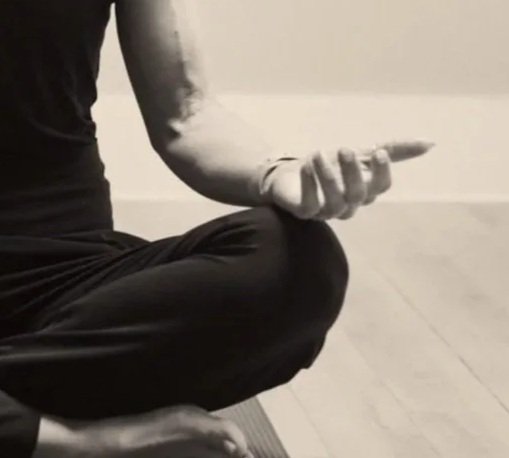
Stress and anxiety have become nearly universal in our modern life. Research shows that yoga is linked to measurable reductions in anxiety and stress. Non-invasive, accessible and largely community-based, yoga has become less and less stigmatized and more utilized, which is great news because generalized anxiety has become more prevalent (10% of adults affected) post 2020. Yoga doesn’t rely on just one mechanism of action. It combines physical, mental and spiritual components to build strength and resilience from the bottom up. Within this approach, numerous systems of the body are able to integrate simultaneously, resulting in more self-awareness, physiological balance and social connection.
Physical movement has shown to be an effective modality in mental regulation, boosting brain chemicals associated with positive mood and emotional stability (Jayakody et al., 2013).
By incorporating breath and mindfulness techniques, yoga has proven to positively impact levels of stress biomarkers in the body. It strengthens areas of the brain associated with reason and regulation, while reducing activity in areas associated with fear (Goldin & Gross, 2010).
Practicing in unison with others elicits feelings of belonging and connection — fundamental human needs that when met produce an overall sense of safety and well-being (Søndergaard, 2012).
Here at PPY, we believe that a consistent practice has the potential to radically change the quality of your mind and body, leading to a meaningful, present and resilient life.
